
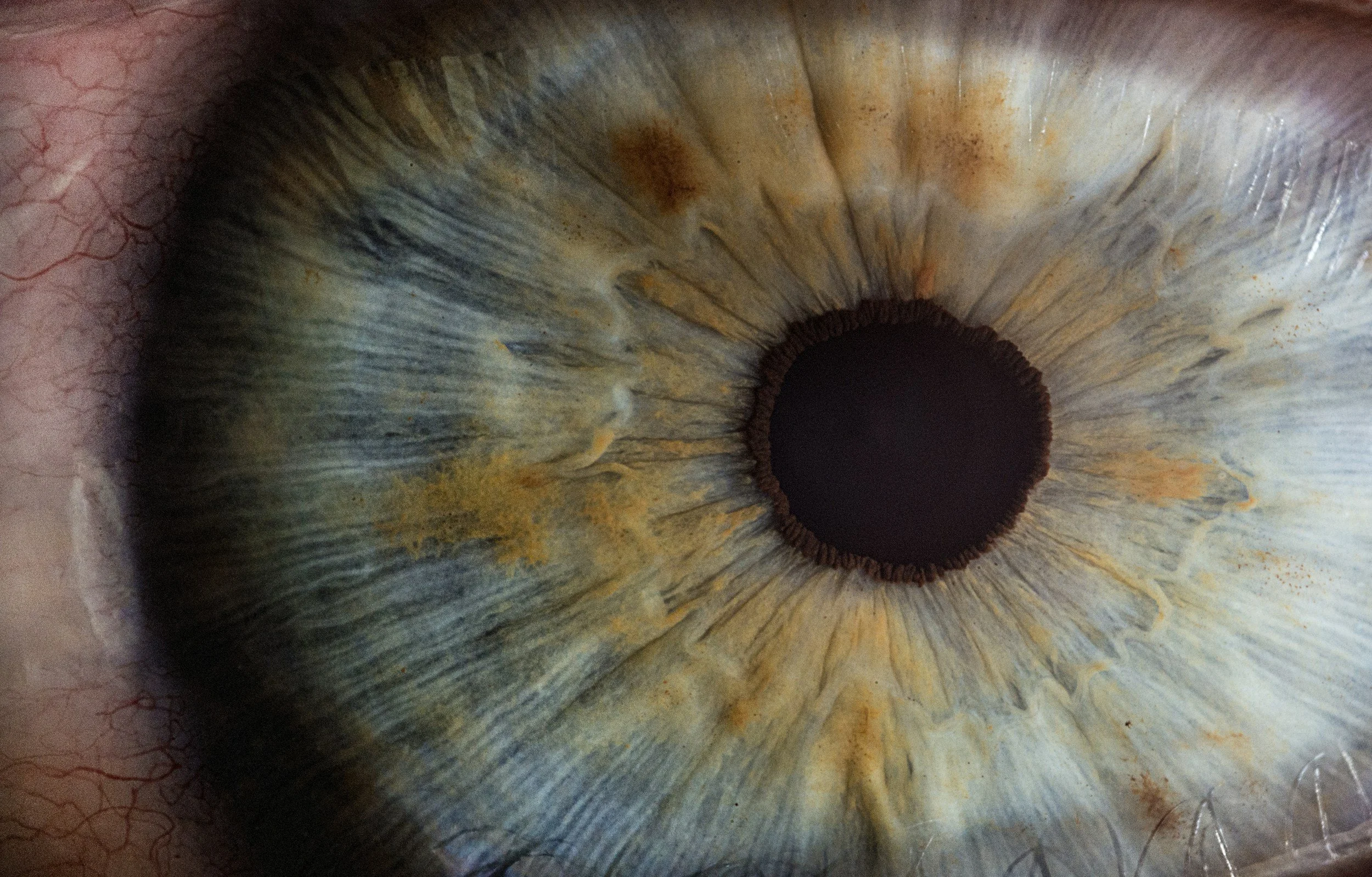
Corneal Disease & Surgery & Transplants
From dry eye to corneal transplants, we can explain your corneal disease and what your treatment options are.
What is the cornea and why would one need surgery
The cornea is a very subtle part of the eye. It is the clear lens in the front of the eye which covers the colored part of your eye. All light that enters the eye, must pass through the cornea first. Therefore, if a corneal problem exists that blocks or distorts light, a patient’s vision will be limited, no matter how healthy the rest of the eye is. However, usually the cornea is healthy and clear. That is why many corneal diseases may be ignored for years before they are diagnosed. When diseases advance, patients may develop pain or progressive vision loss. Many patients with corneal disease have seen several providers before they see a cornea specialist. Because of this, corneal disease may be advanced and beyond the initial “textbook” presentation. Therefore, different treatments may be necessary before a solution is found.
Sometimes to improve a person’s vision or help with pain, corneal surgery is required. There are many types of corneal surgery. The type of surgery depends on what layer of the cornea is involved. For most people, we perform corneal surgery to improve their vision, such as when we perform partial or full corneal transplants. There are other reasons to perform surgery on the cornea and conjunctiva such as to remove growths and resolve pain.
Regardless of your corneal problem, or your need for surgery, we will make sure to answer all of your questions and ensure that you feel knowledgeable about your condition.
Here are some of the corneal surgeries that we routinely perform:
Diamond burr debridement
Pterygium Surgery (removal + graft replacement)
Descemet Stripping Endothelial Keratoplasty (DESK, a partial corneal transplant)
Descemet Membrane Endothelial Keratoplasty (DMEK, a partial corneal transplant)
Penetrating Keratoplasty (PKP, a full thickness corneal transplant)
Corneal Transplantation
Understanding the Types of Corneal Transplants
Penetrating Keratoplasty (PKP)
PKP is a full-thickness corneal transplant. The entire cornea—front to back—is removed and replaced with donor tissue. This approach is typically used when all layers of the cornea are diseased or scarred. Because it involves the full corneal thickness, healing is longer and visual recovery is more gradual.
Descemet Stripping Automated Endothelial Keratoplasty (DSAEK)
DSAEK is a partial-thickness transplant. Only the back layers of the cornea (the endothelium, Descemet’s membrane, and a thin layer of donor stroma) are replaced. The front surface of the cornea remains intact. This allows for faster healing and more stable vision compared to PKP, with fewer sutures.
Descemet Membrane Endothelial Keratoplasty (DMEK)
DMEK is the most selective and advanced form of corneal transplant. It replaces only the diseased endothelial cell layer and Descemet’s membrane, leaving all other corneal layers untouched. Because it restores the cornea to near-normal anatomy, DMEK often provides the fastest visual recovery and best visual quality, though it is technically more complex.